


How Many Litres of Water Is It Healthy To Drink a Day?
Staying hydrated is essential for our overall health and well-being. Water makes up about 60% of our body weight and plays a crucial role in various bodily functions, from regulating body temperature to transporting nutrients and eliminating waste. However, determining the optimal daily water intake can be a bit tricky, as it varies depending on individual factors. In this blog post, we'll explore the recommended daily water intake, the importance of electrolytes, and tips to help you stay hydrated throughout the day.
Hydration Needs For An Australian Climate
Australia's recommended daily fluid intake is approximately 2.1 litres (8 cups) for women and 2.6 litres (10 cups) for men. However, individual needs can vary based on temperature and physical activity. Depending on your location, your hydration needs may also be higher, especially if in a drier climate like Western Australia or the Australian Outback.
Children—who often exert themselves in a variety of weather conditions, like extreme heat—will likely have higher water needs and should generally consume 1.0L to 1.9L of fluids daily depending on age. Specifically, children aged 1–3 years need about 1.0L, 4–8 years need 1.2L, and those 9–13 years require 1.4L–1.6L.
Understanding Water Requirements
As already mentioned, your individual water needs may differ based on various factors, such as:
- Body size and weight: Larger individuals generally require more water than smaller individuals.
- Age and gender: Men typically need more water than women, and water requirements tend to decrease with age.
- Activity level: People who are physically active or live in hot climates may need to drink more water to replace the fluids lost through sweat.
- Health conditions: Certain medical conditions, such as diabetes or kidney problems, may affect your water needs.
To determine your specific daily water intake, a more accurate calculation is to multiply your body weight (in kilograms) by 30–45ml. This will give you the recommended amount of water you should aim to drink per day. For example, if you weigh 70kg, your daily water intake should be between 2.1 and 3.15 litres.
What Counts Towards Your Daily Fluid Intake?
This a very common question—the average person doesn't realise that coffee, tea, milk, fruits and vegetables all contribute to daily hydration. For example, a cup of watermelon contributes roughly 150ml towards your daily intake.
Very High Water Content (90%+)
Cucumber - 96%
Lettuce - 95%
Celery - 95%
Tomato - 94%
Zucchini - 94%
Watermelon - 92%
Strawberries - 91%
Cantaloupe - 90%
High Water Content (85–90%)
Oranges - 88%
Carrots - 88%
Peaches - 88%
Pineapple - 87%
Blueberries - 85%
Raspberries - 85%
Apples - 86%
Moderate Water Content (75–85%)
Grapes - 81%
Cherries - 80%
Pears - 84%
Bananas - 75%
Note: Eating a diet rich in fruits and vegetables can contribute up to 20% of your total daily fluid intake!
Is X Litres of Water a Day Too Much or Not Enough?
Is 1 Litre of Water a Day Enough? For most Australian adults, 1 litre per day is generally not enough. While it may suffice for a sedentary person in a cool climate, it falls well short of the recommended 2.1–2.6 litres for most adults. Children aged 1–3 are the exception, as 1 litre is appropriate for that age group.
Is 3 Litres of Water a Day Too Much? For most healthy Australian adults, 3 litres per day is not too much. This is in particular is for men, active individuals, or those in hot climates like Queensland or the Northern Territory. It sits within the upper range of healthy intake for most people.
Is 4 Litres of Water a Day Too Much? For the average person, 4 litres per day is on the higher end and may be excessive unless you are very physically active, working outdoors, or in extreme heat. In rare cases, drinking too much water can lead to hyponatremia—a condition where sodium levels in the blood become dangerously diluted.
Signs of Proper Hydration
Monitoring the color of your urine is a simple way to gauge your hydration levels. Pale yellow or clear urine is a good indicator that you're well-hydrated, while dark yellow or amber-colored urine may signify dehydration. Additionally, other physical symptoms of proper hydration include:
- Moist lips and tongue: Dry mouth or tongue can be a sign of dehydration.
- Adequate tear production: Dry eyes or the inability to produce tears can indicate dehydration.
- Regular bowel movements: Dehydration can lead to constipation.
- Minimal fatigue or headaches: Proper hydration can help prevent these common symptoms of dehydration.
The Role of Electrolytes
Electrolytes, such as sodium, potassium, and chloride, play a crucial role in maintaining proper hydration. These minerals help regulate the balance of fluids in your body and facilitate the absorption of water. When you're dehydrated, you may also lose electrolytes, which can lead to symptoms like muscle cramps, fatigue, and dizziness.
To replenish electrolytes, you can incorporate electrolyte-rich foods into your diet, such as bananas, avocados, leafy greens, and nuts. You can also opt for electrolyte-infused water or sports drinks, but be mindful of their sugar content.
Choosing the Right Water Container
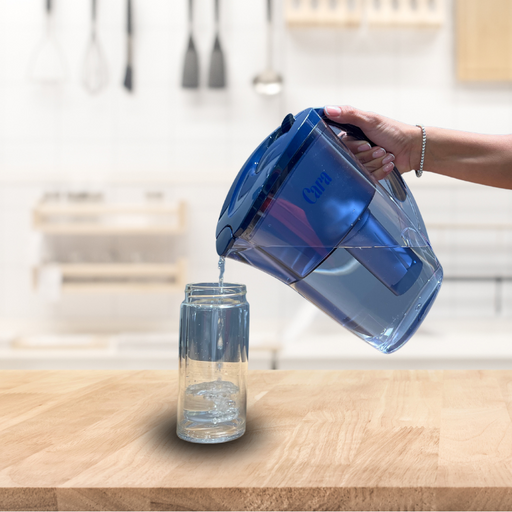
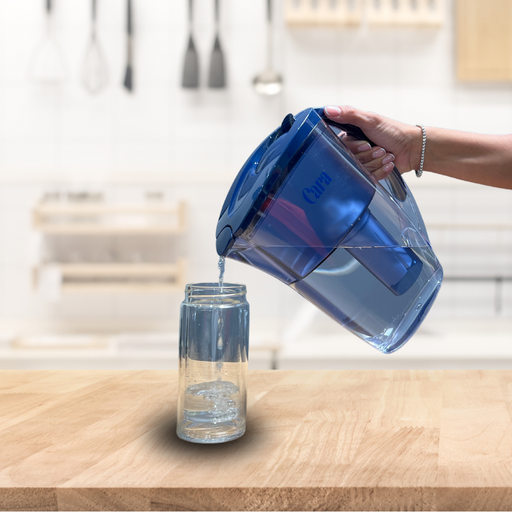
The type of water container you use can also impact your hydration habits. Water filter jugs, for example, can encourage you to drink more water by providing clean, filtered water right at your fingertips. Lightweight, reusable water bottles, especially those made of glass or stainless steel, can also make it easier to stay hydrated throughout the day.
Whether you're hitting the gym, embarking on a hike, or simply commuting to work, genuinely useful water bottles should offer a number features that caters to your specific needs. From leak-proof lids and easy-to-use spouts to durable construction and lightweight designs, these bottles need to be built to withstand the demands of your daily routine.
Tips for Increasing Daily Water Consumption
Staying hydrated can be a challenge for some, but there are several strategies you can implement to ensure you're drinking enough water:
- Set reminders: Use your phone, smartwatch, or calendar to set regular water drinking reminders throughout the day.
- Incorporate water-rich foods: Fruits and vegetables like watermelon, cucumbers, and tomatoes can contribute to your overall hydration.
- Carry a water bottle: Keep a reusable water bottle with you at all times, and make a conscious effort to sip from it regularly.
- Infuse your water: Add slices of lemon, lime, or cucumber to your water to make it more appealing and encourage you to drink more.
- Track your intake: Use a water tracking app or simply mark down your water consumption to ensure you're meeting your daily goals.
Conclusion
Staying hydrated is essential for maintaining optimal health and well-being. While the recommended daily water intake is generally around 8 cups (1.9 litres), your individual needs may vary based on various factors. By understanding your hydration requirements, monitoring your electrolyte balance, and implementing practical strategies, you can develop healthy water drinking habits that will benefit you in the long run. Remember, proper hydration is the foundation for a healthier, more vibrant lifestyle.
-
Original price $99.95Original price $99.95 - Original price $99.95Original price $99.95Current price $79.00$79.00 - $79.00Current price $79.00
Cara Water Filter Alkaline Advanced - 3 Filters
Enjoy Fresh & Clean Tasting Water With Cara Advanced Alkaline Water Filter You can Taste Purity. This Pack Includes 3 Filters Key Features: I...
View full detailsOriginal price $99.95Original price $99.95 - Original price $99.95Original price $99.95Current price $79.00$79.00 - $79.00Current price $79.00Save 21% Bulk Buy & Save -
Original price $129.00Original price $129.00 - Original price $129.00Original price $129.00Current price $79.00$79.00 - $79.00Current price $79.00
Cara Water Filter Jug 2.4Ltr Plus 3 Filters
Product Description: Discover the ultimate solution for pure hydration with our Cara 2.4L Water Filter Jug. Crafted with advanced alkaline filtrat...
View full detailsOriginal price $129.00Original price $129.00 - Original price $129.00Original price $129.00Current price $79.00$79.00 - $79.00Current price $79.00Save 39% -
 Original price $49.95 - Original price $49.95Original price$49.95$49.95 - $49.95Current price $49.95
Cara Water Filter Jug 2.4Ltr
Note: The water filter is not included in this product. Product Description: Experience the pinnacle of pure hydration with the Cara 2.4L Water Fi...
View full detailsOriginal price $49.95 - Original price $49.95Original price$49.95$49.95 - $49.95Current price $49.95 -

 Original price $330.00 - Original price $330.00Original price$330.00$330.00 - $330.00Current price $330.00
Aquarius Water Hydrogen Bottle 5000 ppb
Introducing the Aquarius Water Hydrogen Water Bottle, the newest and best bottle on the market. Get 5000 ppb of hydrogen in your water in only 10 m...
View full detailsOriginal price $330.00 - Original price $330.00Original price$330.00$330.00 - $330.00Current price $330.00 -
Alkaline Jugs



Leave a comment