


Is Food Grade Silicone Safe? Everything You Need to Know
If you've been swapping out plastic containers and kitchen tools for silicone alternatives, you've probably asked yourself: is food grade silicone actually safe? It's a fair question — and one worth answering properly.
Here's everything you need to know about what silicone is, how it's made, what the certifications mean, and why it's become the material of choice for food storage, cookware and kitchen tools across Australia.
1. What Is Food Grade Silicone?
Silicone sits somewhere between rubber and plastic: a hybrid of both, without the worst qualities of either. While it isn't a 100% natural material like rubber, food grade silicone is a non-toxic polymer made predominantly from silica, which is essentially sand. Combined with oxygen, carbon and hydrogen, it produces a stable, flexible and highly durable material.
It has become enormously popular as an alternative to traditional plastic, particularly in cookware, food storage containers, lunch boxes and kitchen utensils. And for good reason!
2. What Makes Silicone Different From Plastic?
Plastic is a petroleum-based product. To create different end products, manufacturers add various chemicals, like bisphenol-A (BPA), to modify its properties. The problem is that manufacturers aren't always transparent about which chemicals they use or in what quantities, making independent testing difficult unless you know exactly what you're looking for.
Consumers have pushed back hard on BPA, and most manufacturers now market their products as BPA-free. But BPA-free doesn't mean chemical-free. Scientists have identified bisphenol-S (BPS) as a common BPA replacement, and early research suggests it may be equally or more toxic. With a wide range of plastics on the market at varying price points, the safest approach is to avoid petroleum-based plastics for food contact altogether and opt for glass or silicone instead.
Silicone contains none of these estrogen-mimicking chemicals. It is indisputably safer for human health than plastic and significantly more durable. Quality silicone withstands extreme temperature fluctuations, from very cold to oven-hot without melting, cracking or degrading. It also resists oxidative deterioration for decades. And when it does eventually reach end of life, silicone breaks down into inorganic silica, carbon dioxide and water vapour—not microplastics.
3. Is Silicone Really Non-Toxic?
Yes. Food grade silicone is widely considered non-toxic by health authorities around the world. According to Health Canada, there are no known health hazards associated with silicone cookware, and silicone rubber does not react with food or beverages or produce hazardous fumes.
Food grade silicone is also:
- Hypoallergenic: safe for people with latex or rubber sensitivities
- Odour and stain resistant: won't absorb food smells or discolour over time
- Non-porous: no open pores to harbour bacteria, mould or mildew
- Non-stick: easy to clean with just warm soapy water
- Temperature stable: typically rated from -40°C to 230°C depending on the product
4. LFGB vs FDA: What Do the Certifications Mean?
When it comes to food grade silicone, there are two key international safety standards: FDA and LFGB.
FDA (US Food and Drug Administration) certification is the more widely used standard globally. To achieve FDA certification, silicone products must demonstrate that they don't transfer harmful substances to food under normal use conditions. The testing evaluates chemical migration at various temperatures and covers a defined list of regulated substances. Products that pass are considered safe for food contact in the United States and are widely accepted internationally.
LFGB (Germany's Lebensmittel- und Futtermittelgesetzbuch, or Food and Feed Code) is the stricter of the two. The LFGB testing methodology is more comprehensive, covering a broader range of potential chemical migrations and applying more rigorous simulation of real-world food contact conditions. This includes testing with fatty foods, acidic foods and alcoholic substances. Products certified to LFGB standard have cleared a higher bar, which is why they typically cost more to produce.
Think of it this way: FDA is the minimum acceptable standard. LFGB is the gold standard.
All Kuvings silicone products stocked by Green Shop Online meet both LFGB and FDA standards. We produce to LFGB specification because when it comes to the health of our customers, we're not interested in cutting costs on materials.
5. How to Identify High Quality Food Grade Silicone
Not all silicone is created equal. Lower quality silicone products may use fillers—typically silica or other materials—to reduce production costs. This can compromise both safety and durability. Here's how to check:
- The pinch test: pinch and twist a flat area of the product. If white shows through, it likely contains fillers. Pure silicone won't change colour.
- The smell test: high quality food grade silicone has no odour. A strong plastic or chemical smell is a red flag.
- Check for certification: look for FDA and ideally LFGB certification on the product or its packaging.
- Buy from reputable suppliers: if a silicone product is unusually cheap, the material quality is probably the reason.
6. Silicone vs Glass: Which Is Better?
Glass is completely inert, meaning it will never leach any chemicals whatsoever into food or drink regardless of temperature, acidity or fat content. It's the purest food storage option available, easy to sterilise, and doesn't absorb odours or stains. The downsides are obvious: it's heavy, breakable and not suitable for flexible or collapsible designs.
Silicone matches glass on chemical safety when certified to LFGB standard, and significantly outperforms it on practicality. It's lightweight, flexible, virtually unbreakable, and can collapse flat when not in use. This makes it far better suited to lunch boxes, food bags, travel containers and kids' products. It handles a wider temperature range than most glass products and is safe to drop, squash and stack without consequence.
The honest answer is that both have a place in a plastic-free kitchen. Glass works best for pantry storage, meal prep containers that live in the fridge, and anything where you want absolute chemical neutrality. Silicone works best for on-the-go storage, kids' products, baking, and anywhere weight, flexibility or portability matters.
7. Is Silicone Better for the Environment Than Plastic?
In most respects, yes. Silicone outlasts plastic significantly. A well-made silicone container or kitchen tool can last a decade or more with proper care. It doesn't crack, fade or degrade with temperature changes, and it doesn't shed microplastics into food or the environment.
At end of life, silicone breaks down into inorganic amorphous silica, CO₂ and water vapour. It is not biodegradable in the traditional sense, but it is far less environmentally harmful than plastic over its full lifecycle—particularly when you factor in how much single-use plastic it replaces.
8. Common Questions and Myths About Silicone
Does silicone leach chemicals when heated?
High quality food grade silicone, particularly LFGB certified silicone, does not leach chemicals when heated within its rated temperature range. This is one of the key advantages over plastic, which can release BPA, BPS and other chemicals when exposed to heat. Always stay within the manufacturer's specified temperature range and avoid using silicone over open flames or direct heat sources.
Is silicone microwave safe?
Yes. Food grade silicone is microwave safe. It doesn't absorb microwave energy, so it won't heat up itself, and it won't melt, warp or release chemicals. It's one of the most microwave-friendly materials available for food storage.
Can you put silicone in the oven?
Yes. Most food grade silicone products are oven safe up to 220°C–230°C. Always check the specific temperature rating for your product. Silicone baking moulds, mats and trays are designed specifically for oven use and are widely used in professional kitchens.
Is silicone freezer safe?
Yes. Silicone remains flexible and stable at freezer temperatures, typically rated down to -40°C. Unlike plastic, it won't crack or become brittle in the cold, and unlike glass, it won't shatter if dropped when frozen.
Is silicone dishwasher safe?
Yes. Food grade silicone is dishwasher safe. The high temperatures and detergents used in dishwashers won't damage it or cause it to degrade. Most silicone products can be placed on either the top or bottom rack.
Is silicone safe for babies and kids?
Yes. LFGB certified food grade silicone is widely used in baby and toddler products including spoons, bibs, food storage containers and snack cups. Its non-toxic, hypoallergenic, non-porous properties make it one of the safest materials for children's food contact products.
Does silicone stain or absorb smells?
Quality food grade silicone is highly resistant to both staining and odour absorption. Lower quality silicone with fillers is more prone to this. If your silicone products do develop odours, a soak in a baking soda and warm water solution usually resolves it.
9. How to Care for Your Silicone Products
One of silicone's best qualities is how low-maintenance it is. A few simple habits will keep your silicone products in top condition for years:
Cleaning
- Most silicone products are dishwasher safe: top or bottom rack is fine for most items
- For hand washing, warm soapy water and a soft cloth or silicone scrubber is all you need
- Avoid abrasive scrubbers or steel wool which can damage the surface over time
- For stubborn odours, soak in a solution of warm water and bicarbonate of soda for 30 minutes, then rinse
Storage
- Collapsible silicone containers should be stored collapsed flat to maintain their shape over time
- Keep silicone products away from sharp objects that could nick or cut the material
- Store away from direct sunlight for extended periods, as UV exposure over many years can gradually degrade silicone
General care
- Always stay within the manufacturer's specified temperature range.
- Avoid using silicone over open flames or direct contact with heating elements.
- Inspect products periodically for cuts, tears or significant discolouration. These are signs it's time to replace.
10. What Is Food Grade Silicone Used For?
Silicone's combination of flexibility, temperature resistance, non-stick properties and food safety make it suitable for a huge range of kitchen and food storage applications:
- Food storage containers and lunch boxes: collapsible, airtight and leak-proof
- Baking moulds and muffin trays: non-stick, easy release, oven safe
- Ice cube trays and moulds: freezer safe and flexible for easy release
- Kitchen utensils: spatulas, spoons, ladles, tongs
- Reusable food bags and pouches: replace single-use zip-lock bags
- Food covers and wraps: replace plastic cling wrap
- Scrubbers and sponges: antibacterial, non-scratch, fast drying
- Baby and toddler products: spoons, bibs, food storage
11. Our Silicone Products at Green Shop Online
All of the silicone products below are made from LFGB and FDA certified food grade silicone. Here are our current favourites:
Collapsible Lunch Boxes & Food Containers
- Grey 3-Piece Collapsible Silicone Lunch Box Set: three sizes, perfect for meal prep and work lunches
- Blue 3-Piece Collapsible Silicone Lunch Box Set: same great set in blue
- Pack & Stack Collapsible Silicone Bento Lunch Box Set – 2 Piece: 1780ml and 2450ml, ideal for big meals
- Pack & Stack 6-Piece Collapsible Silicone Lunch Box Set: the complete set, 350ml to 2450ml, colour-coded
- Blue 3-Compartment Silicone Bento Lunch Box: keeps meals, sides and snacks neatly separated
- Pack & Stack Collapsible Silicone Bento Box Set of 4: 300ml to 2100ml, colour-coded for easy meal prep
- Pack & Stack Collapsible Silicone Rectangle Lunch Box – 800ml: single container, folds to 28mm flat
Kitchen & Cleaning
- Green Silicone Scrubber – Pack of 2: antibacterial, non-scratch, replaces your kitchen sponge
Older Favourites
- Reusable Silicone Food Bag – Medium: work lunches and outdoor trips
- Silicone Cupcake Moulds – 6 Pack: for the bakers
12. The Bottom Line
Food grade silicone, particularly silicone certified to LFGB standard, is one of the safest, most durable and most versatile materials available for food contact. It outperforms plastic on safety, longevity and environmental impact, and it outperforms glass on flexibility and portability. Whether you're packing school lunches, meal prepping for the week, baking on the weekend or just trying to reduce the amount of single-use plastic in your kitchen, silicone is the smartest material swap you can make.
As with any product, quality matters. Stick to LFGB certified food grade silicone from reputable suppliers and you're making one of the best decisions you can for your family's health and the environment.
Note: While we strive to provide accurate and balanced information, Green Shop Online cannot guarantee the completeness of this content as research in this area continues to evolve. References: Health Canada – Safe Use of Cookware
-
Original price $39.95Original price $39.95 - Original price $39.95Original price $39.95Current price $19.95$19.95 - $19.95Current price $19.95
Kuvings Smart Bag - 10 pack
Kuvings Reusable bags that keeps your Fruit & Vegetables Fresh and Crisp for longer… that’s Smart. 10 pack includes: 4 x small red bags 3 x me...
View full detailsOriginal price $39.95Original price $39.95 - Original price $39.95Original price $39.95Current price $19.95$19.95 - $19.95Current price $19.95Save 50% -
Original price $49.00Original price $49.00 - Original price $49.00Original price $49.00Current price $16.00$16.00 - $16.00Current price $16.00
Silicone Food Storage Bag Reusable – 2000ml
LEAK PROOF | REUSABLE | FOOD GRADE SILICONE | FRESHER FOR LONGER | DISHWASHER, MICROWAVE & FREEZER SAFE Silicone Food Storage Bags are the z...
View full detailsOriginal price $49.00Original price $49.00 - Original price $49.00Original price $49.00Current price $16.00$16.00 - $16.00Current price $16.00Save 67% -
 Original price $0.00 - Original price $32.95Original price $0.00$32.95$32.95 - $32.95Current price $32.95
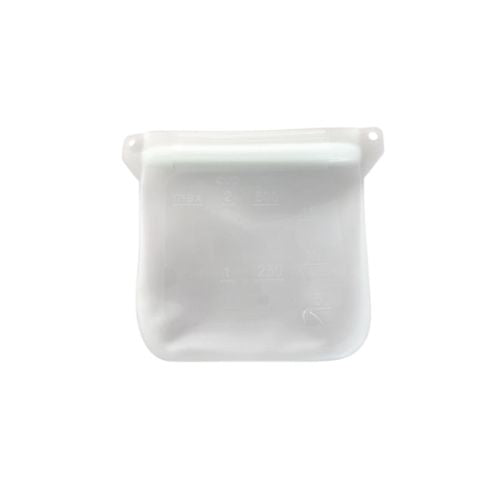
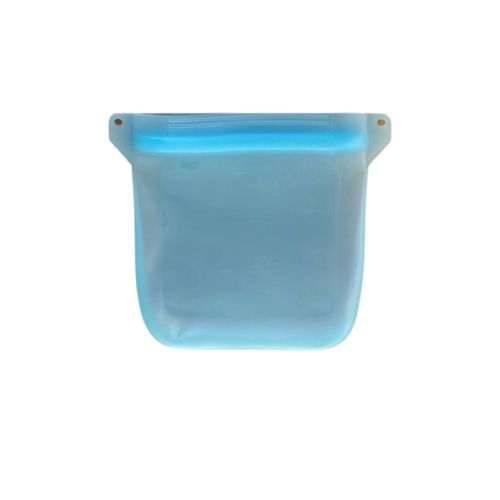
Pro Silicone Food Storage Reusable Pro Bag Series – 2000ml
REUSABLE | FOOD GRADE SILICONE | FRESHER FOR LONGER | DISHWASHER, MICROWAVE & FREEZER SAFE Silicone Food Storage Bags are the zero waste alt...
View full detailsOriginal price $0.00 - Original price $32.95Original price $0.00$32.95$32.95 - $32.95Current price $32.95 -
Original price $14.95Original price $14.95 - Original price $14.95Original price $14.95Current price $7.00$7.00 - $7.00Current price $7.00
Silicone Food Storage Bag Reusable – 500ml
LEAK PROOF | REUSABLE | FOOD GRADE SILICONE | FRESHER FOR LONGER | DISHWASHER, MICROWAVE & FREEZER SAFE Silicone Food Storage Bags are the zero...
View full detailsOriginal price $14.95Original price $14.95 - Original price $14.95Original price $14.95Current price $7.00$7.00 - $7.00Current price $7.00Sold out -
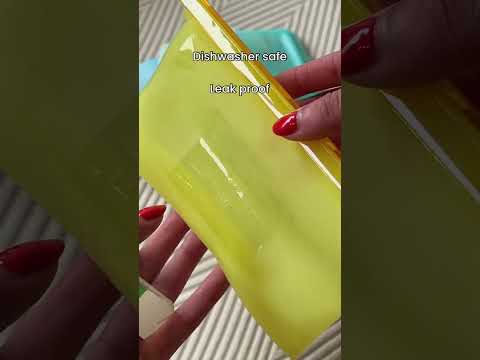
Silicone Food Bags




Leave a comment